Being told you need a root canal can feel unsettling, but advances in dentistry have made the procedure predictable, efficient, and far less intimidating than many expect. Root canal therapy is designed to eliminate infection or inflammation inside the tooth while preserving the natural structure — an outcome that supports chewing function, appearance, and long-term oral health.
At Murphy Dentistry, our approach combines careful diagnosis with modern instruments and gentle technique so patients experience minimal discomfort and reliable results. We focus on clear explanations and personalized care so you understand your options and feel confident in the treatment plan.
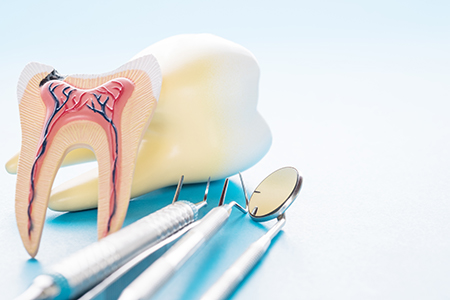
A root canal removes injured or infected soft tissue from inside a tooth and then seals the space to prevent recontamination. The procedure spares the outer enamel and dentin, allowing you to keep the tooth’s natural form and function rather than replacing it with a prosthetic. Retaining a natural tooth helps preserve bite alignment and the health of surrounding teeth and jawbone.
Contemporary root canal instruments and filling materials are biocompatible and designed to conform closely to the internal anatomy of each tooth. These improvements, along with magnification and digital imaging, increase the precision of the procedure and reduce the risk of future complications when the tooth is subsequently restored.
Most root canal treatments today are performed under local anesthesia and, when appropriate, with options to help anxious patients relax. The goal is to remove the cause of pain or infection and then restore the tooth so it can be used reliably for years to come.

Not every ache requires a root canal, but certain patterns of symptoms commonly indicate that the inner tissues of a tooth are compromised. Persistent, throbbing pain that interferes with sleep; heightened sensitivity to hot or cold that lingers after the stimulus is removed; and pain when biting or releasing pressure are all red flags worth evaluating.
Other signs can be more subtle: a tooth that appears darker than neighboring teeth, a persistent bad taste, or localized swelling can point to an internal problem. In some cases, radiographs reveal changes around the root tip before symptoms arise, which is why regular dental exams are important even when you aren’t in pain.
Prompt assessment is the best way to determine whether root canal therapy is the correct response. Early diagnosis often preserves more of the tooth structure and simplifies the restorative steps that follow.
While symptoms guide diagnosis, a set of common warning signs often prompts clinicians to recommend treatment. These include:
Pain that doesn’t resolve or that wakes you at night can indicate inflammation or infection deep inside the tooth. These sensations often intensify without treatment and are among the most common reasons patients seek care.
If hot or cold foods produce sharp, lingering pain, the nerve tissue may be injured or dying. This sensitivity is different from brief sensitivity caused by exposed dentin and typically signals a deeper problem.
Discomfort when chewing or when the tooth is tapped often reflects inflammation of the tissues around or within the tooth and may indicate that internal treatment is needed.
A tooth that gradually darkens after an injury or without an obvious external cause can be a sign that internal tissues have changed or died, and evaluation is recommended.
Trauma that fractures or chips a tooth can expose the inner tissues to bacteria or compromise blood flow, making root canal therapy necessary to preserve the tooth.
Swelling of the gums near a tooth or a recurring pustule can indicate a focal infection. Even if drainage temporarily reduces pressure, the underlying source still requires treatment.
Infection affecting the root or supporting bone can cause mobility. Often, treating the internal infection allows tissues to heal and stabilizes the tooth when managed promptly.

Acting quickly when a tooth shows signs of internal disease reduces the chance the infection will spread and helps preserve more of the natural tooth. Delays can allow bacteria to advance into surrounding tissues, making treatment more complex and, in rare cases, putting systemic health at risk.
Timely root canal therapy often limits the number of appointments required and lowers the likelihood of needing additional procedures later. Early treatment also makes it easier to restore the tooth with a durable crown or onlay, protecting it from fracture.
Your dentist will weigh factors like the tooth’s restorability, bone support, and overall health to recommend the best course. When timely care is combined with an appropriate final restoration, treated teeth frequently remain functional for decades.
Root canal treatment begins with a careful exam and appropriate imaging to map the tooth’s internal anatomy. Once the area is comfortably anesthetized, the clinician uses small, precise instruments to remove diseased tissue, disinfect the canals, and shape them for a secure seal. Magnification and irrigation protocols help ensure thorough cleaning.
Depending on the tooth’s complexity and the presence of infection, the clinician may complete treatment in a single visit or stage it across two appointments. Temporary restorations protect the tooth between visits, and definitive restoration is completed once the canals are sealed and healing is progressing.
Many patients describe the procedure as comparable to receiving a routine dental filling, thanks to modern anesthetics and technique. If you tend to feel anxious, ask about relaxation options so the experience is calm and manageable.
After treatment, mild soreness is common for a few days as surrounding tissues heal. Over-the-counter pain relievers are usually sufficient, but your dentist will advise on medication if needed. Maintaining good oral hygiene helps control bacteria and supports recovery.
Because a tooth that has had its internal tissues removed can be more brittle, placing a permanent crown or appropriate restoration is typically recommended to protect it from fracture. Timely restoration also restores full chewing function and helps the treated tooth blend seamlessly with adjacent teeth.
Regular dental checkups and radiographs allow your dental team to confirm healing and long-term success. With proper care — daily hygiene and appropriate restorative protection — a tooth treated with root canal therapy can continue to serve you for many years.
With attentive follow-up and sensible self-care, root canal therapy is a predictable solution that preserves natural teeth and relieves discomfort. If you have symptoms or concerns about a specific tooth, contact us for more information and to schedule an evaluation.


A root canal procedure is the best way to save a tooth that has been damaged by decay or injury and preserve your natural smile. The alternative is an extraction and treatment to replace the tooth. While at times a tooth is non-restorable and an extraction is the only option, when possible, it’s best to try and save your natural tooth. With proper care, a tooth with root canal therapy can serve your smile well for many years to come.
Despite lingering myths from before the age of modern dental anesthesia and technology, having a root canal procedure today is as routine and comfortable as visiting the dentist for a filling. While the procedure is performed under local anesthesia with your tooth completely numbed, we can also discuss options in dental sedation.
Whether the symptoms of a dental infection subside after a course of antibiotics, a draining abscess provides you with some temporary pain relief, or a tooth with radiographic evidence of pathology has not yet developed symptoms, it’s essential, before an infection worsens or occurs, to have a root canal procedure performed. In this way, the tooth can be disinfected, filled, and sealed to protect your health and avoid further problems.
If you have sustained a dental injury, have a toothache, jaw pain, swelling, or are experiencing any other unusual and uncomfortable oral symptoms, contact our office immediately for care. Dental problems that have not been evaluated and treated can significantly worsen, producing more severe damage and consequences for the involved teeth, your oral health, and even your overall wellbeing. Once you get in touch with our office, our friendly and compassionate office team will get you in for care at your earliest convenience.
While some root canal procedures can be completed in one visit, others may involve 2 or 3 appointments. How long it takes depends on various factors, including active infection, the number of canals in the tooth, and the tooth’s location or anatomy.
With a success rate that exceeds 95%, root canal therapy remains the most effective procedure to save a tooth in which the inner vital tissues have been damaged. However, as with all healthcare procedures, there are a small percentage of cases where the teeth become symptomatic a second time. The good news is that many of these teeth can still be saved with root canal retreatment or a minor surgical procedure known as an apicoectomy.
The best ways to maintain a tooth with root canal therapy are to get the proper restoration required to rebuild and protect the tooth, maintain proper oral hygiene, and schedule appointments for routine dental checkups and care.
Saving a tooth with root canal therapy is a wise investment that, in the long run, is typically less costly and invasive than having the tooth extracted and replaced with a fixed bridge or implant. As far as the exact cost of care, it can vary depending on which tooth is being treated. Many dental insurance plans provide coverage for root canal therapy. At the office of Murphy Dentistry, we do our best to optimize your dental benefits and minimize your out-of-pocket expenses. Our staff will answer all your questions about the cost of care and discuss all your payment options.
At the office of Murphy Dentistry, we use the latest technology and most effective methods of care to provide precise and gentle care. Our reputation for excellence is based upon a consistent record of achieving successful treatment outcomes while providing prompt, stress-free, and convenient treatment for every type of dental need.

Taking the next step toward your ideal smile is simple. Whether you're ready to schedule your appointment or simply have questions about our services or treatment options, our friendly staff is here to help.